
Beyond the Swipe, Part 2: Stop Asking One App to Find Your Person
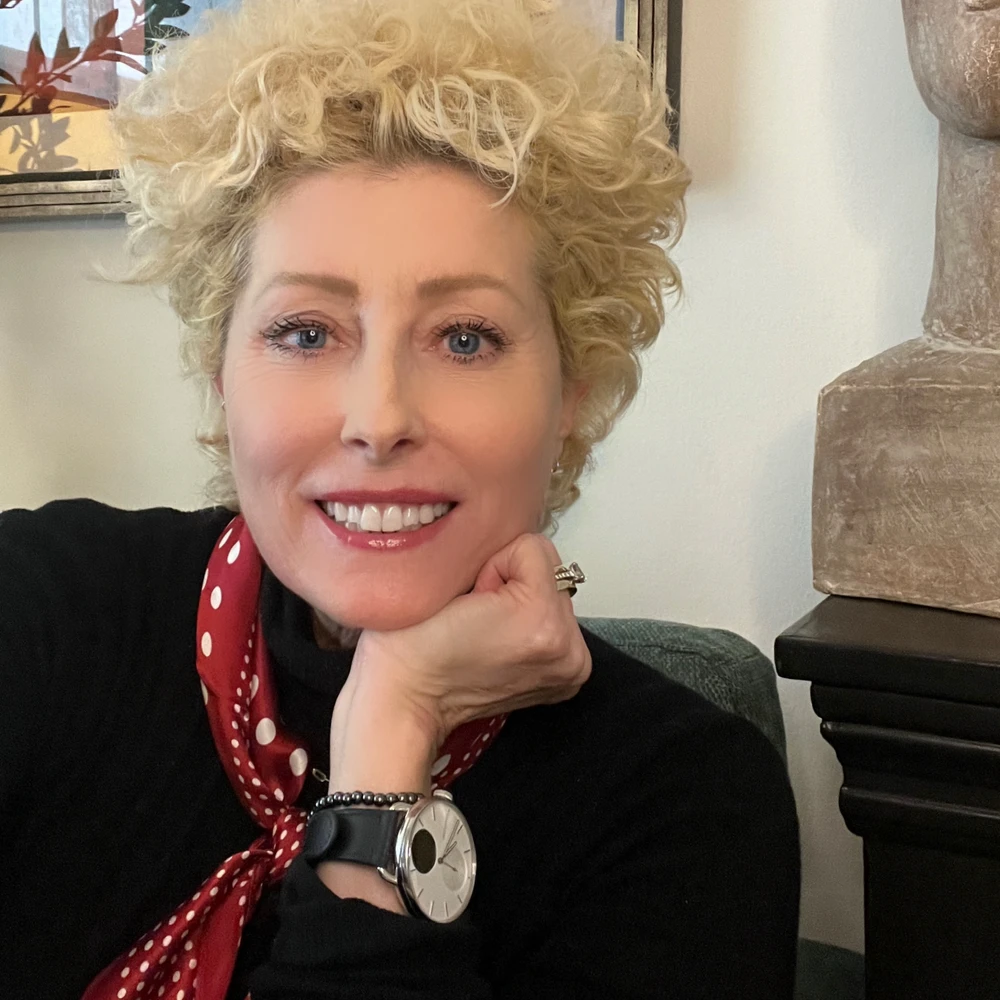
Queer women know what we want. It's time our search caught up.
This is Part 2 of a three-part series on how queer women can find love in a dating-app-weary world. If you missed it, start with Part 1.
It's Sunday night, and you're three messages into a promising conversation.
She's funny. She has a dog you'd like to meet. Then she asks, "So what are you looking for?"
You type a wife. You delete it. You type something real. You delete that too. You send it, just to see where things go, then put the phone face down, exhausted.
This is always a precarious time at the beginning of meeting someone. You didn't have mixed feelings about how to answer that question because you're unsure. You started to avoid this hard conversation because you are sure, and somewhere along the way, wanting love out loud started to feel unsafe.
In Part 1, we named that feeling of "nobody out there" as a symptom, not the reality. Now let's talk about what to do with it.
What Queer Daters Actually Want
Here's the part that gives me hope.
Hinge surveyed more than 31,000 daters worldwide for its 2026 LGBTQIA+ report. Seventy-six percent of LGBTQIA+ daters said they prefer slowly building a connection with someone, compared with 64% of heterosexual daters. Before talking about a future together, they want to know their values (84%), whether they feel comfortable around them (80%), and their intentions (77%). And 86% said consistent communication from someone they're dating makes them feel less anxious (Hinge, 2026).
Sounds simple, right? Consistency. Clarity. Emotional safety. Not a big ask.
So what we are finding is the gap isn't between what we want and what's available. It's between what we want and how we look for it.
Two Habits That Keep Us Stuck
Judging before experiencing. We quickly look at photos and reject them because they don't fit neatly in some ideal scenario. These could be women you would have found wildly compelling after twenty minutes at a table. Attraction comes from many directions, such as voice, energy, humor, and how someone listens. A profile can't deliver any of that.
Influenced for the smaller world. We're definitely dealing with possibly running into our exes, our friends, our friends' exes, and our future partners because many of us live in a close-knit ecosystem. When the folks you are connected to are three to four degrees apart, every choice can feel riskier, and pulling back can feel safer. I see this in my practice all the time: women who would rather stay invisible than risk an awkward run-in at the next Pride.
Both habits make sense because they are understandable forms of protection. And both can get us stuck in an already smaller pool.
Change the Narrative
As simple as it sometimes sounds, how we speak about something can deeply affect us. So I have found a practice that really works over time:
Not: I'm on (the app) HER.
But: I am making myself available for love.
One is a single move; the other is a stance toward your own life, and it opens the way you envision meeting someone.
Open More Doors
Use just one or two apps intentionally, not three apps sporadically. Twenty attentive minutes twice a week beats two hours of half-checked-out scrolling. HER added community spaces to its app years ago (Hatmaker, 2018). Use features like these. They're often the best part.
Tell your friends, out loud, that you want to be introduced. Let them know how serious you are. Your friends don't know whether you are being casual or ready to make this a priority unless you tell them.
Go where queer women gather. A singles mixer here or there will make things take much longer. Find fun activities in your area and choose one or two to join, depending on your time limits: a hiking group, sports league, book club, or volunteer shift you show up to every month creates bonds, and bonds help build connection and potentially attraction. It also opens up opportunities. That new friend from your softball league might just introduce you to your person.
Consider matchmaking. It's no longer strange, and more matchmakers today know how to work with lesbians and queer women.
Host a "bring your single friend" party. Nothing works like the trusted introduction, and nothing has fallen further out of fashion.
And then there's my favorite.
Bring Back the Lesbian Personal Ad
Obviously I don't mean this literally, as that doesn't exist anymore, but write up a short, honest statement of what you want in a relationship, answering these four questions:
Who am I?
What kind of life have I built?
What am I actually looking for?
What kind of relationship am I available to build?
This more positive style of inquiry helps us move away from focusing only on what you want; while that matters, being transparent this way opens your mindset and makes room for the kind of woman you are looking for.
That is because this statement is about you: what you're offering and what you're open to.
Then send it privately to three or four trusted friends with one line: If you know someone who seems aligned with this, I'd love an introduction.
That takes your search out of the algorithm and puts it back in the hands of people who know you, one of the best ways lesbians have always found each other.
Try This Before Part 3
This week, write your personal ad. Keep it to one paragraph. Then send it to just one friend.
Here's a short exercise I invite you to try after sending it to a friend:
Notice the feelings that come up as you write or right after you hit send. Was it embarrassment, hope, the urge to make a joke, or to unsend it? Having one or a mix of these is perfectly normal and understandable! This is not easy stuff.
Next: write what came up for you. Take some deep breaths if it feels overwhelming or brings up shame; giving it space and awareness helps your parasympathetic nervous system come online and remind your brain you are safe. Nothing bad is going to happen to you. This calming exercise then helps your prefrontal cortex remember all the healthy reasons you are doing this in the first place.
Lastly, trust the process you have just embarked on. That flicker of exposure is what being findable feels like at first.
In Part 3, I'll share my three rules for actually meeting her, what I think about AI matchmakers, and a message for women dating later in life.
If you'd like help untangling your own patterns around love, that's exactly the work I do. Learn about working with me at lovedrlauren.com.
Dr. Lauren Costine is a licensed clinical psychologist, author of Lesbian Love Addiction: Understanding the Urge to Merge, and creator of Love That Fits: An 8-Week Journey for lesbian and queer women. She is working on a book called Becoming Sapphic and has specialized in the psychology of lesbian and queer women for over twenty years.
References
Hatmaker, T. (2018, May 31). The queer dating app Her expands with curated community spaces. TechCrunch. https://techcrunch.com/2018/05/31/her-app-queer-women-communities-rebrand/
Hinge. (2026, June 3). 2026 LGBTQIA+ D.A.T.E. report. https://hinge.co/newsroom/2026-LGBTQIA-Report


Comments